YouTube brings Veo to Shorts to create AI videos
YouTube will integrate Veo and Imagen 3 into Dream Screen so creators can generate six-second backgrounds and clips for Shorts from text. The creations will include a SynthID watermark and a label telling viewers that they were generated with AI.
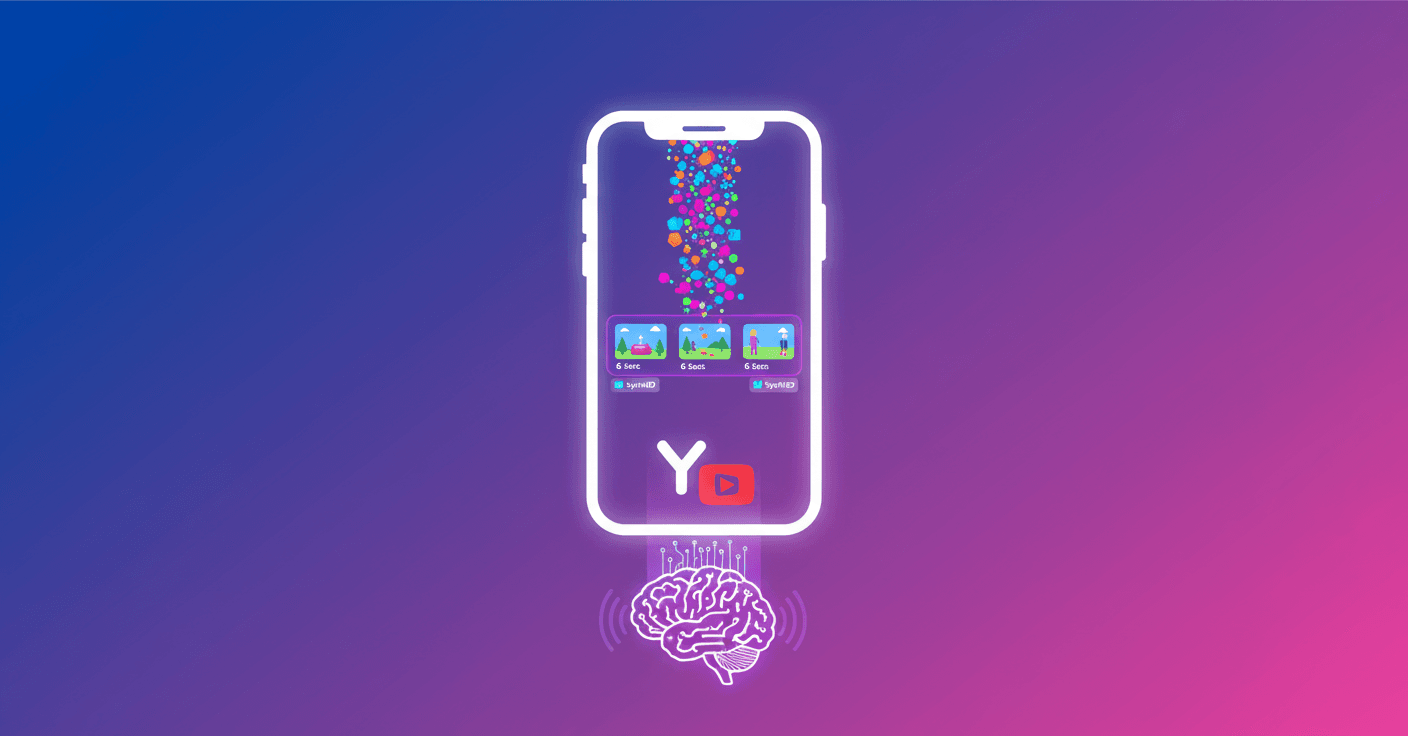
YouTube will integrate the Veo and Imagen 3 artificial intelligence models into Dream Screen, allowing creators to generate backgrounds and video clips for Shorts from a written description.
The feature will roll out gradually over the coming months. It will first let you create six-second animated backgrounds for a Short. Then, in 2025, you will also be able to generate standalone six-second clips, such as a cinematic underwater scene featuring the Golden Gate Bridge.
How Dream Screen will work
The process starts with a text prompt. For example: "an enchanted forest lit by moonlight." Imagen 3 will generate four different images, each with a different composition or style.
You can choose the one you prefer. From that image, Veo will produce a six-second video to use as the Short's background, following the visual direction you specified.
The idea is to remove a common barrier: having an idea for a video but not the time, equipment or knowledge needed to create all its elements from scratch.
What changes for you
If you publish Shorts, you will be able to add visual settings without filming them or searching for them in video libraries. A creator who talks about history could appear in front of an AI-generated ancient city; someone who makes travel content could use a fantastical landscape as a background.
The tool will not replace the entire creative process. You will still need to decide what you want to say, choose the result that fits best and edit the Short. But it can speed up the process of imagining and producing visual assets.
YouTube has also announced music-generation technologies, although this presentation focuses on the video backgrounds and clips created with Dream Screen.
Creations will carry an AI label
Generated content will not be completely indistinguishable. YouTube will use SynthID, a digital watermark developed by Google to identify AI-generated content, and add a visible label to inform viewers.
That identification matters because these videos may appear in the same feed as Shorts recorded by people. The label will show when a scene was not filmed in the real world, even if it looks like a conventional production.
YouTube presents the integration as a way to put its generative models within reach of millions of creators. The next point to watch will be how they work in practice: how much control they offer, what results they produce and how viewers respond to an ever-growing volume of AI-generated content.