OpenAI study reveals how ChatGPT is used
A study by OpenAI and Harvard analyzes 1.5 million conversations and shows that ChatGPT is used mainly to find information, ask for guidance, and write. Adoption is expanding to new groups and countries, while 70% of use takes place outside work.
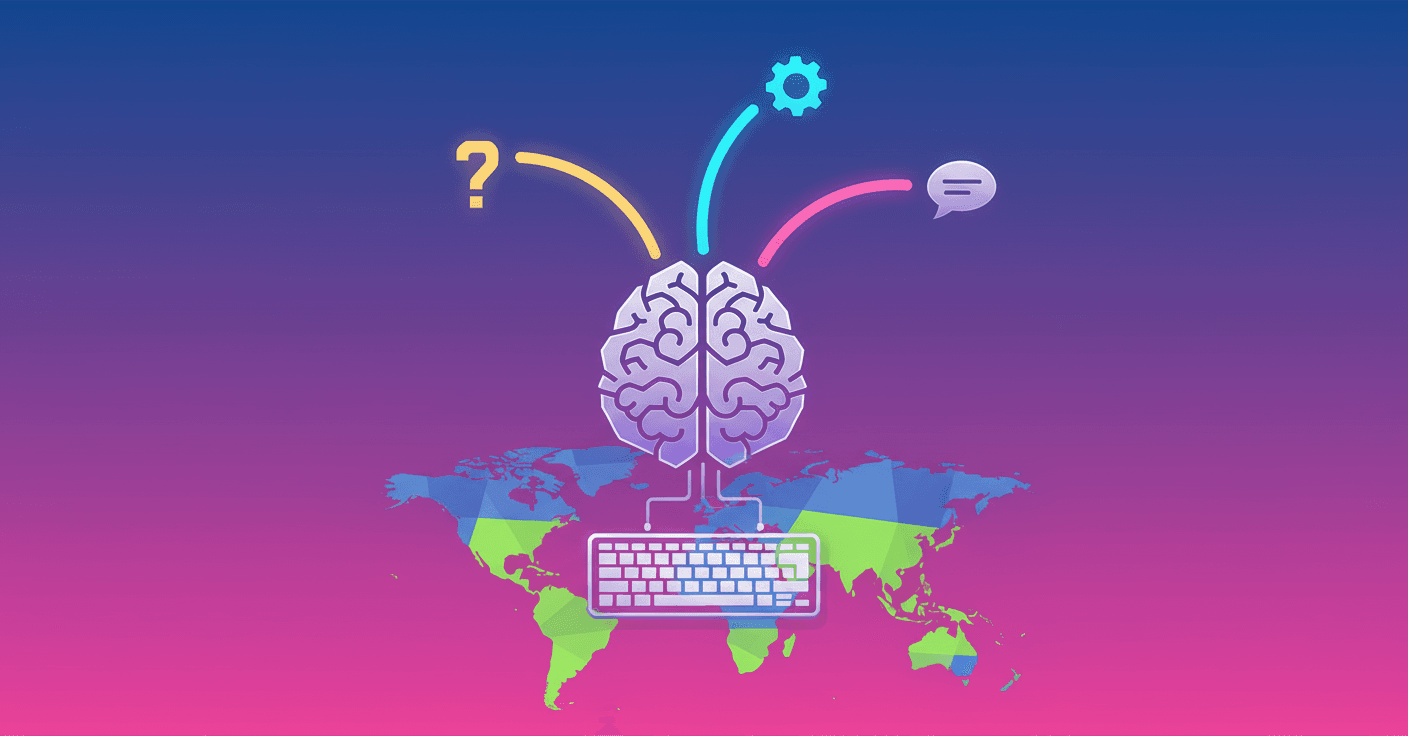
A study by OpenAI and Harvard economist David Deming analyzes 1.5 million conversations to show how ChatGPT is used in everyday life. The main finding: the tool is no longer just for programmers or early adopters. It has become an assistant for practical tasks, both inside and outside work.
The analysis was published as a working paper by the National Bureau of Economic Research (NBER) and covers consumer plans only. OpenAI says it is the largest study to date of how an AI tool is used in practice, at a time when ChatGPT has more than 700 million weekly active users.
Who uses ChatGPT
Adoption is spreading to groups that were less involved at first, especially when it comes to gender. Among users whose names could be classified as typically male or female, the proportion of female names rose from 37% in January 2024 to 52% in July 2025.
Use is also growing in low- and middle-income countries. In May 2025, ChatGPT's growth rate in lower-income countries was more than four times higher than in higher-income countries.
The trend points to an increasingly global tool. It is not staying limited to the places where AI products first became popular.
Most people use it for everyday tasks
About three in four conversations focus on three activities:
- Looking for information.
- Asking for practical guidance.
- Writing or improving text.
Writing is the most common work-related task. Coding and using ChatGPT for self-expression or play account for a much smaller share of conversations overall.
The study groups uses into three categories. Asking accounts for 49% of messages and includes requesting explanations, recommendations, or help with decisions. Doing accounts for 40% and includes drafting, planning, and coding. Expressing makes up the remaining 11%, covering activities such as personal reflection, exploration, and entertainment.
The largest share comes from people who ask questions. That suggests many people do not see ChatGPT merely as a machine that produces text, but as an adviser available to organize ideas and weigh options.
What value it adds outside work
Around 30% of consumer use is work-related, while 70% takes place outside work. That split shows that ChatGPT's impact is not limited to increasing productivity in an office.
You can use it to prepare for an interview, understand a bureaucratic process, compare options before making a purchase, plan a trip, or turn a vague idea into a plan. In jobs that depend on analyzing information, it can also help people make decisions faster.
OpenAI and Deming argue that some of this benefit is not well captured by traditional measures such as gross domestic product. If someone learns something, manages their time better, or makes a more informed decision, the value exists even when it does not always translate into an economic transaction.
What changes for you
The practical conclusion is simple: the most common use of AI is not asking it to do something extraordinary, but incorporating it into ordinary tasks. Asking, writing, planning, and deciding account for most of the activity.
The analysis has an important limitation: it describes users of consumer plans and was produced by OpenAI together with an external researcher. The researchers also say they did not read the messages. They used automated systems to classify patterns of use without human review of the content.
What remains to be seen is whether this expansion continues and how the balance between work and personal life changes as models gain new capabilities. For now, the data show an AI less associated with flashy demonstrations and more integrated into the small decisions that fill each day.