OpenAI Opens Up Its AI Models with Open Weights
OpenAI has announced AI models with open weights so developers, companies, governments, and organizations can run and adapt them on their own infrastructure. The move aims to expand access, protect sensitive data, and strengthen the influence of US models in the global adoption of AI.
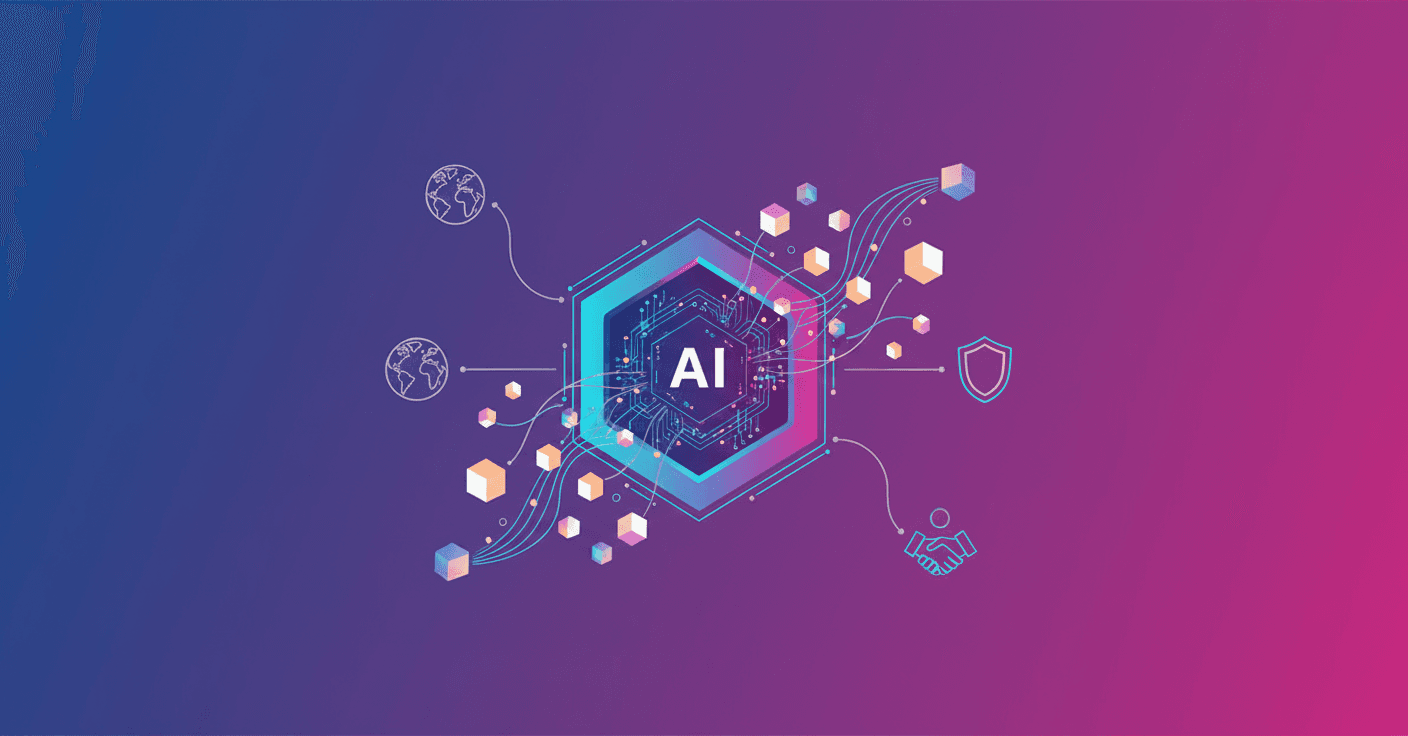
OpenAI has announced AI models with open weights, a format that allows developers, companies, governments, and organizations to run and adapt them on their own systems. The company presents them as its most advanced open models to date, although this announcement does not specify their names or technical results.
The difference comes down to control. Instead of sending every query to an external service, an organization can install the model on its own infrastructure, adjust its behavior, and keep its data within its own systems.
What “open weights” means
Weights are the internal values a model learns during training. By making them accessible, OpenAI allows others to run the model themselves and adapt it to specific tasks.
That does not necessarily mean publishing all the code, training data, and the complete development process. That is why the company refers to open weights, rather than presenting the launch as a complete opening of every component.
In practice, the models can be used to create internal assistants, analyze documents, automate tasks, or develop specialized tools. A small organization could use them without relying entirely on an external platform. A government could keep sensitive information within its borders.
More options for organizations with sensitive data
The announcement is especially relevant in places where laws require certain data to remain in the country or where third-party services are not allowed. A locally installed model can make it easier to use AI without sending confidential information to another company or jurisdiction.
It also lowers some barriers for organizations with fewer resources, emerging markets, and teams that need to adapt the technology to their own conditions. Even so, running advanced models requires hardware, technical expertise, and security measures. Opening the weights does not eliminate those costs.
OpenAI says the models will be available to a broad audience:
- Individual developers and small teams.
- Nonprofit organizations.
- Companies and large institutions.
- Governments and public entities.
The company also says it will distribute them through OpenAI for Countries, its initiative to help allied governments build AI infrastructure, and through its nonprofit organization to support entities working directly with communities.
The political strategy behind the launch
OpenAI does not present this decision as merely a technical matter. It links it to the international competition over which models are adopted and which principles ultimately shape global AI infrastructure.
Its argument is that when developers and governments build on models originating in the United States, they also strengthen an ecosystem aligned with democratic values, transparency, and local control. The company describes open models as a way to expand US technological influence against alternatives from countries with authoritarian governments.
This approach aligns with the White House's new AI action plan, which views open-weight models as a tool for advancing research, industry, and US technological leadership. OpenAI argues that there is no need to choose between open and closed models: both can serve different purposes.
For you, the most important change is that advanced AI may no longer always depend on an account or an external API. The next point to watch is specific: which models OpenAI has actually released, what hardware they require, what license governs their use, and whether their performance comes close to that of its closed services. That will show whether opening the models truly broadens access or simply offers a new option for those who already have technical infrastructure.