

OpenAI introduces ChatGPT Wallet for AI-powered payments
OpenAI introduces ChatGPT Wallet, a wallet that lets ChatGPT agents complete purchases without accessing your actual card details. The service requires a security check for every purchase and begins with Pro users over 18 in the United States.
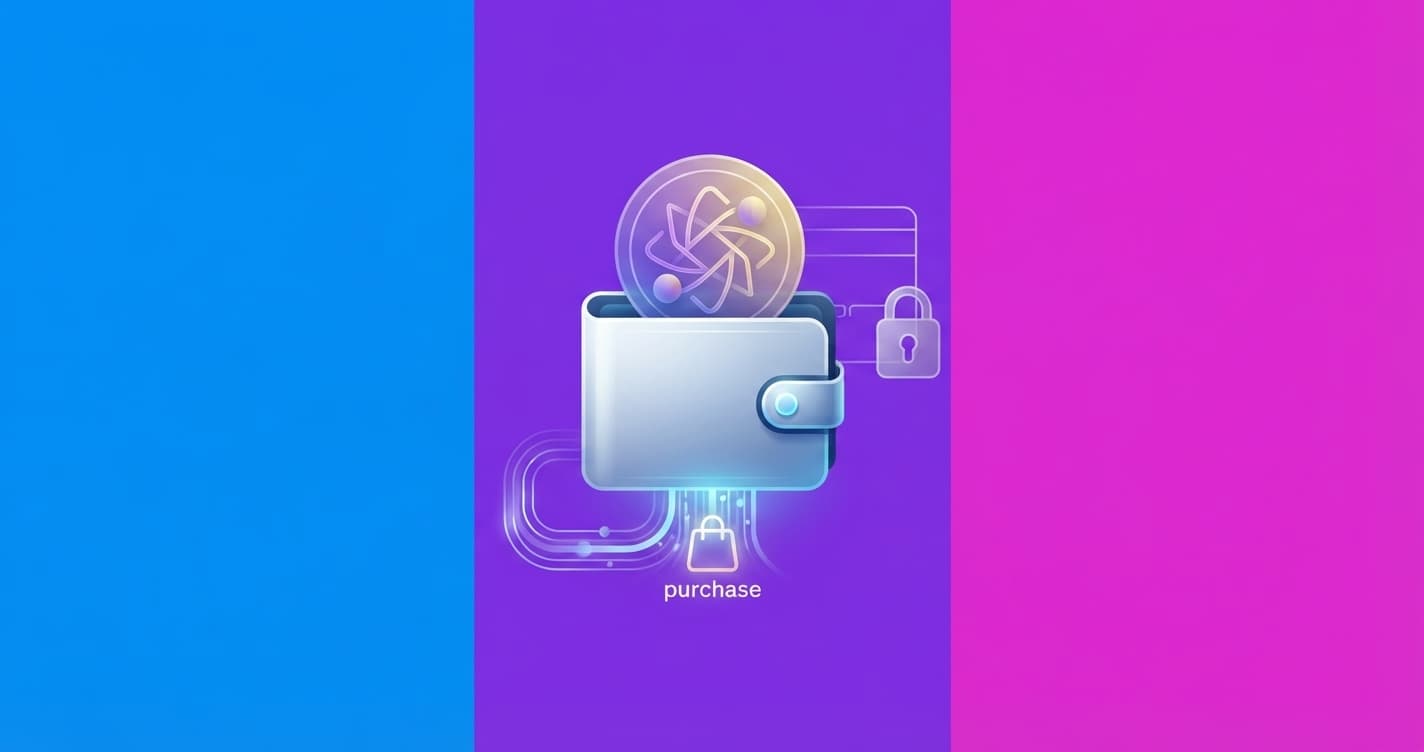
ChatGPT no longer just helps you decide what to buy. It can now complete the purchase too. OpenAI is introducing ChatGPT Wallet, a digital wallet that lets its agents pay without accessing your actual card details and requires a security check before every transaction.
The service is initially being tested in the United States for ChatGPT Pro subscribers over 18, using cards issued in the country. The initial launch is taking place through dots, a limited availability program OpenAI is using to observe how this type of payment works in real-world situations.
How ChatGPT Wallet works
First, you add a card to the wallet. Then, when the agent finds a product and prepares the purchase, you review three details before approving it:
- The selected items
- The total amount
- The card that will be used
Approval requires a security check, such as Face ID or a fingerprint. Each authorization creates a clear record of the purchase you allowed.
Once approved, the payment network creates a payment token: a temporary substitute for your card details that includes a number, a security code and an expiration date. The merchant receives that token, not your actual card details.
The purchase is charged to the selected card and, according to OpenAI, you keep the card's usual rewards and protections in eligible disputes. For example, you would still deal directly with the merchant if the product arrives defective.
“Users transact directly with businesses, which maintain their customer relationships and control pricing, fulfillment, returns and customer service.”
What changes for you
The practical difference is that you can ask ChatGPT to compare products, choose an option and prepare the payment without entering your card details at every store. But approval remains in your hands: for now, every purchase requires a review and a security check.
OpenAI says that over time, you will be able to delegate some purchases within defined limits, such as a maximum budget, specific categories or a set period. Those purchases would require additional controls and prior authorizations. That feature is still part of the future plans, not the initial availability.
ChatGPT has 1.2 billion weekly users, many of whom already use it to research products, compare options and decide what to buy. Wallet adds the missing step: turning that recommendation into a transaction.
The challenge also lies with stores
For these payments to work, merchants will have to adapt their websites and fraud prevention systems. Some pages may unintentionally block purchases made by agents because they do not recognize this type of activity as legitimate.
OpenAI is publishing a Commerce Partner Playbook alongside Wallet, a guide to help companies:
- Keep their products, prices and availability up to date in ChatGPT
- Prevent their firewalls from blocking ChatGPT agents
- Coordinate with payment providers and risk systems to reduce unnecessary declines
- Allow agents to check availability, manage carts or perform other actions
The company is also working with American Express, Mastercard and Visa, along with payment and fraud prevention providers including Adyen, Stripe, Forter, Riskified, Sardine and Signifyd.
The rollout begins with Pro users in the United States and eligible US cards. The key question now is whether merchants can accept agent-initiated payments without increasing fraud or filling the process with blocks. If that infrastructure holds up, buying through an agent will stop being a demonstration and start looking like an everyday feature.