Grok launches Aurora for AI image generation
xAI has launched Aurora, Grok's new image generation model, with improvements for creating realistic portraits, text, logos, and details. The feature is arriving first in some countries on 𝕏 and will expand to the rest of users during the following week.
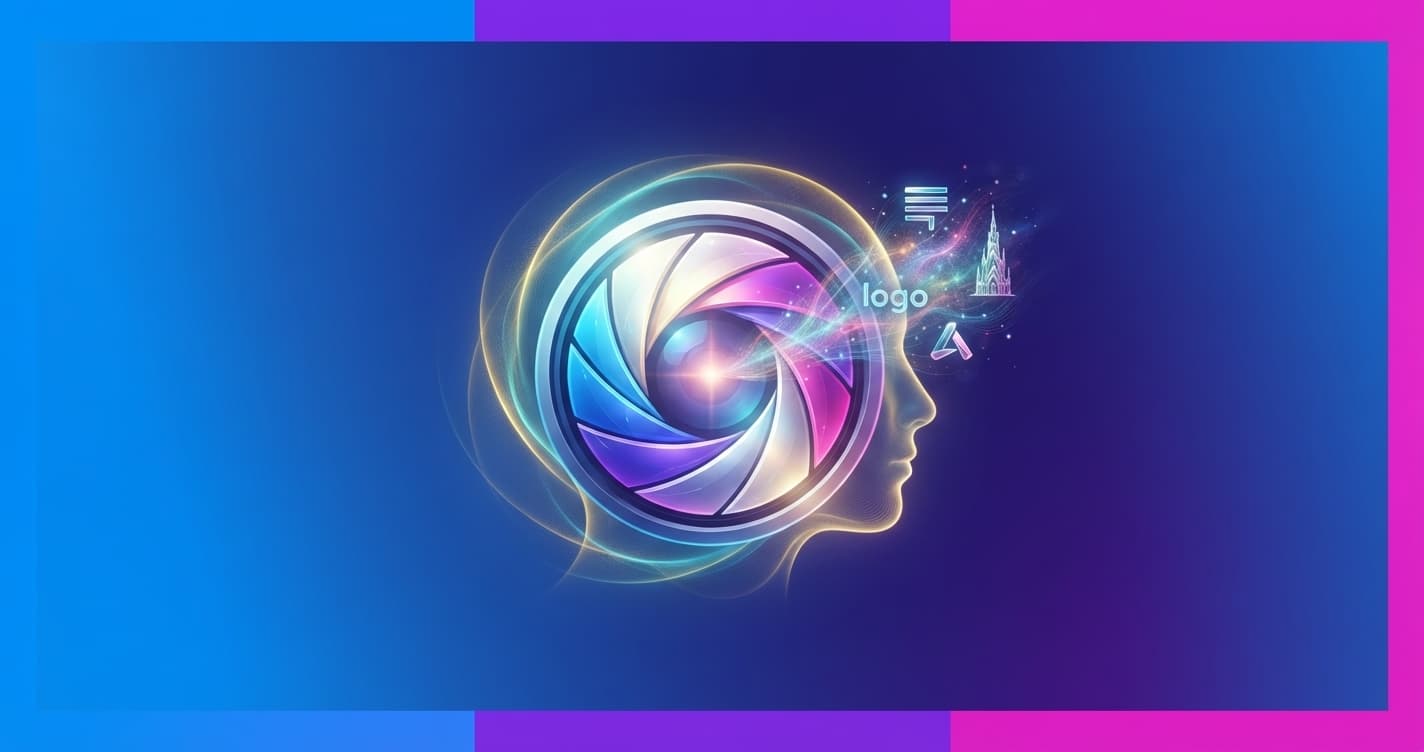
xAI has launched Aurora, a new image generation model integrated into Grok that creates realistic scenes, follows detailed instructions, and understands elements such as people, text, and logos.
The company describes Aurora as a model that learns to predict the next piece of text or image from billions of examples gathered from the internet. In practice, this lets you request an image with specific instructions and get more accurate results in details from the real world.
What Aurora can do
Aurora is designed to generate images in several situations where these systems often struggle:
- Represent real objects and places with specific details.
- Create realistic human portraits.
- Draw text and logos inside an image.
- Follow written instructions more precisely.
It also includes multimodal capabilities. That means it can work with text and images instead of being limited to a written description. For example, you can use a photograph as a reference to create a new version or edit specific elements of the image.
Image editing and the use of images as input were announced for the 𝕏 platform, although xAI said this feature would roll out to users soon. The company did not specify in the announcement what restrictions would apply or whether all features would be available at the same time.
When it will be available
Grok's new capabilities began rolling out on December 9, 2024 to the 𝕏 platform in some countries. xAI said the rollout would expand to all users during the following week.
Access is not presented as a standalone tool, but as a feature within Grok. For you, the most visible change will be the ability to turn a written idea into an image, request specific adjustments, and gradually work from your own photographs.
Aurora is also part of xAI's broader strategy to combine text, images, and video in a single system. For now, the key question is whether it maintains that accuracy outside demonstrations and how it handles common problems with image generators, such as rights involving characters and logos or the creation of realistic faces.