Google turns CC into an AI agent for families
Google is expanding CC so up to six family members can share calendars, tasks, and useful household information. The agent can organize events, fill out forms, and prepare lists, but it only accesses the data each user authorizes.
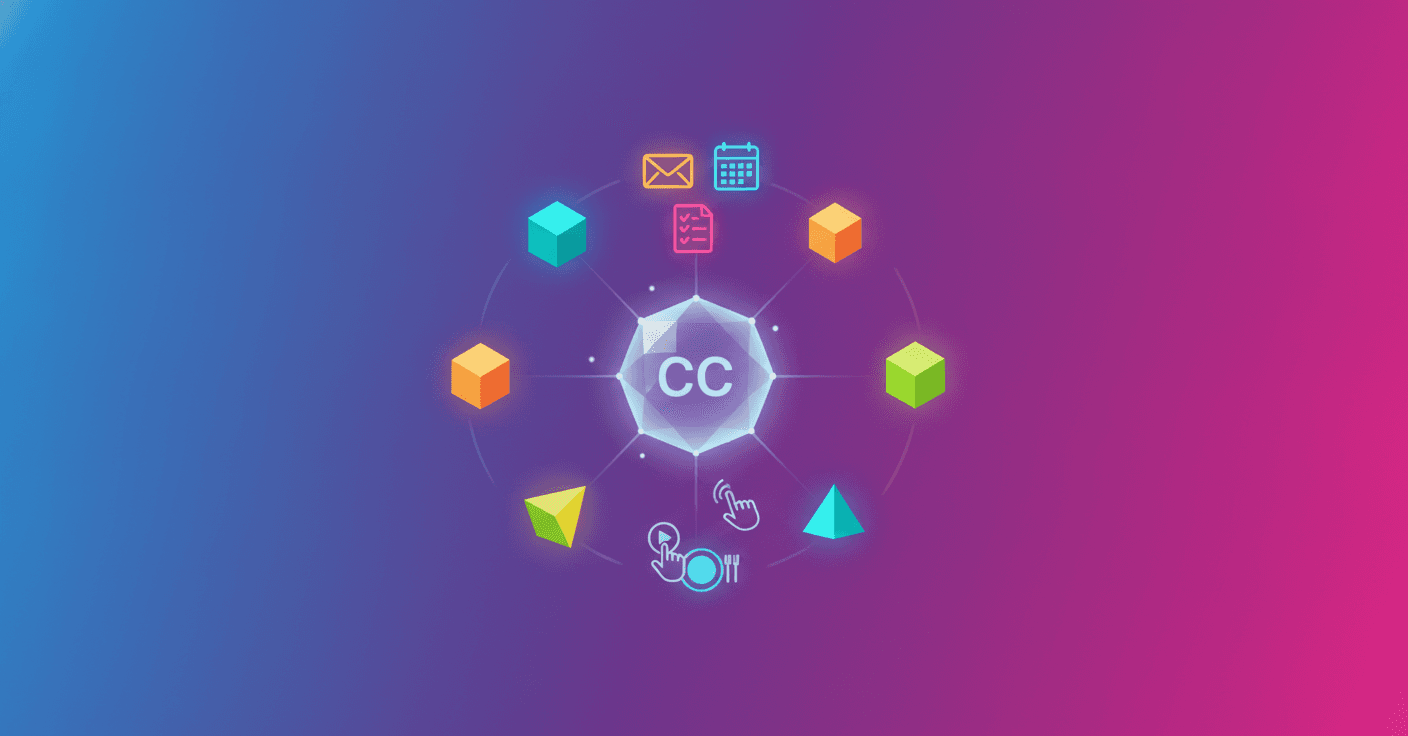
Google is turning CC into an AI agent that can help families and households organize daily life. The tool brings together shared information about schools, activities, appointments, payments, and tasks so coordination does not depend on one person.
CC began as a personal agent designed to anticipate each user’s schedule. In May, Google added it to the Gemini app under the name Daily Brief, a daily summary that became one of the most used features among early testers.
Now it is expanding to groups. Up to six people can collaborate with the same CC, which has its own Google account, a distinct identity, and a permission system to control what information it can access.
One shared briefing for the whole household
Each morning, CC prepares a shared report with what is coming up: who needs to go where, which tasks are still pending, and what actions the agent completed the day before.
To do this, it can analyze only the information each member chooses to share. For example:
- Emails from a school or sports academy.
- Training and activity schedules.
- Travel bookings, veterinary appointments, or family events.
- Shared files, folders, and calendars.
CC can turn that data into Google Calendar events and tasks, and update the information when plans change. That way, an email with a new training time does not have to get lost in one parent’s inbox.
It can also receive specific pieces of information. Someone can forward it an email, send it a photo of a birthday invitation through Google Chat, or share a Drive file for the agent to take into account.
It does more than organize: it also handles tasks
Google wants CC to take on some of the administrative work that keeps a household running. With the user’s permission, it can:
- Fill out PDF forms for registrations or school authorizations.
- Create shopping lists for class materials or activities.
- Prepare weekly meal plans.
- Check travel times between consecutive activities.
- Create shared documents and spreadsheets.
If it is missing information, CC asks for it. It can then save certain details in its shared memory, such as the household’s usual grocery list or the family’s favorite restaurants. It also distinguishes that information from data belonging to one person, such as a dietary preference or time zone.
You decide what it can see
Permissions are at the center of the system. Each member chooses what to share with CC and can change that decision at any time.
You can also automatically authorize specific senders, such as your children’s school or a booking company. Each week, CC will privately show new senders that could be useful to the group, but you decide whether to add them.
The agent responds only to group members and should not act or share information outside the group without authorization. Google runs each CC on an isolated cloud computer, supported by its Antigravity agent system and the latest Gemini models.
What it means for you
CC does not eliminate family organization, but it can bring together information that is usually spread across emails, chats, calendars, and documents. The practical benefit is reducing reminders, searches, and repetitive tasks, as long as everyone shares the necessary data.
For now, it remains a Google Labs experiment. It is available on the web and on mobile for people over 18 who have a personal Google account in the United States. Existing users will receive an email to upgrade their account, while anyone who wants to try it can join the waitlist.
What remains to be seen is whether families will trust the system enough to give it access to their everyday information. CC’s usefulness will depend less on how many tasks it can handle than on whether its permissions are clear and its decisions are easy to review.