Google tests an AI agent to help people run without a guide
Google is testing Running Guide, an AI agent that helps blind or low-vision athletes run using voice alerts and directional sounds. The prototype runs on a Pixel 10 Pro, uses local models, and is also being adapted for smart glasses.
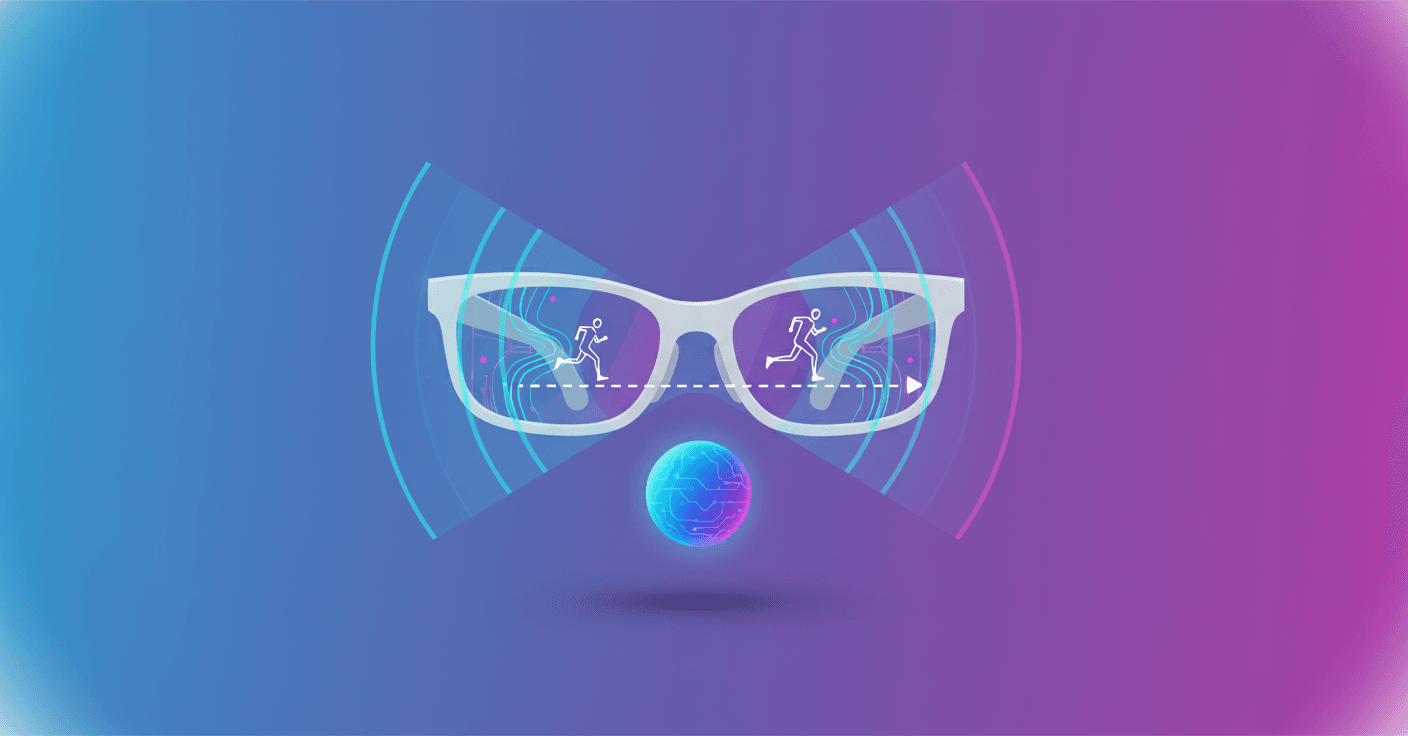
Google is testing an AI agent that helps blind or low-vision athletes run without relying on a human guide or a painted line on the track. The system, called Running Guide, interprets the surroundings in real time and alerts the runner through sounds and voice messages.
The technology is still in development, but it points to an important shift: from following a fixed route to understanding what is happening around the athlete. For example, it can detect a sudden change in terrain, a curve, or an obstacle and communicate what to do at each moment.
Two systems to reduce delay
The prototype uses a Pixel 10 Pro worn on the runner’s chest. The phone observes the path and sends instructions to the runner. Google has designed a two-track architecture so the most urgent alerts do not depend on an internet connection.
- On-device segmentation: a model processes the scene directly on the phone’s chip and works offline. It can issue a “STOP” alert and immediate directional cues through ticking sounds.
- Advanced understanding with
Gemma 4 E4B: another system analyzes images and text to interpret more complex situations. Instead of reviewing every camera frame, it selects those containing relevant changes, such as a new obstacle or a change in terrain.
This image selection is designed to reduce response time and prevent the system from wasting resources analyzing scenes that have not changed.
Three agents with different tasks
Running Guide is not a single assistant, but a system made up of several specialized agents. Each one handles a different part of the training session:
- Planner: checks weather and Google Maps data, talks with the runner to define the goal, and sets the starting point.
- Coach: operates during the run and organizes alerts into three levels: danger, when an immediate reaction is needed; warning, for nearby obstacles or runners; and notice, for elements such as upcoming curves.
- Rest agent: manages breaks and lets the athlete resume training when ready.
The instructions are designed to be brief. During a run, the system cannot overwhelm the user with long explanations. It has to say what is necessary, at the right moment.
Smart glasses are the next step
Although the phone worn on the chest serves as the foundation, Google is also testing Running Guide with smart glasses. A camera positioned on the head provides a wider, more stable field of view, which could help the system better understand the space around the runner.
The glasses would send information to the phone, combining local processing on the device with an interface the athlete wears naturally. Google is developing these tests with SG Enable, Singapore’s agency for inclusion and disability, and with blind or low-vision runners.
For you, the difference is not yet the availability of a ready-to-use app. The announcement describes a prototype and a research direction. What to watch now is whether the system can maintain reliable responses at high speed and in changing environments. Google’s goal is to help people train more independently, but that promise will depend on real-world testing, safety, and continued use alongside the community it is intended to serve.