Google launches managed agents in the Gemini API
Google introduces Managed Agents for the Gemini API, with agents that can reason, use tools, browse the web, and run code in isolated Linux environments through a single call. The feature arrives in preview with `Antigravity`, based on `Gemini 3.5 Flash`, and lets you define custom agents using files such as `AGENTS.md` and `SKILL.md`.
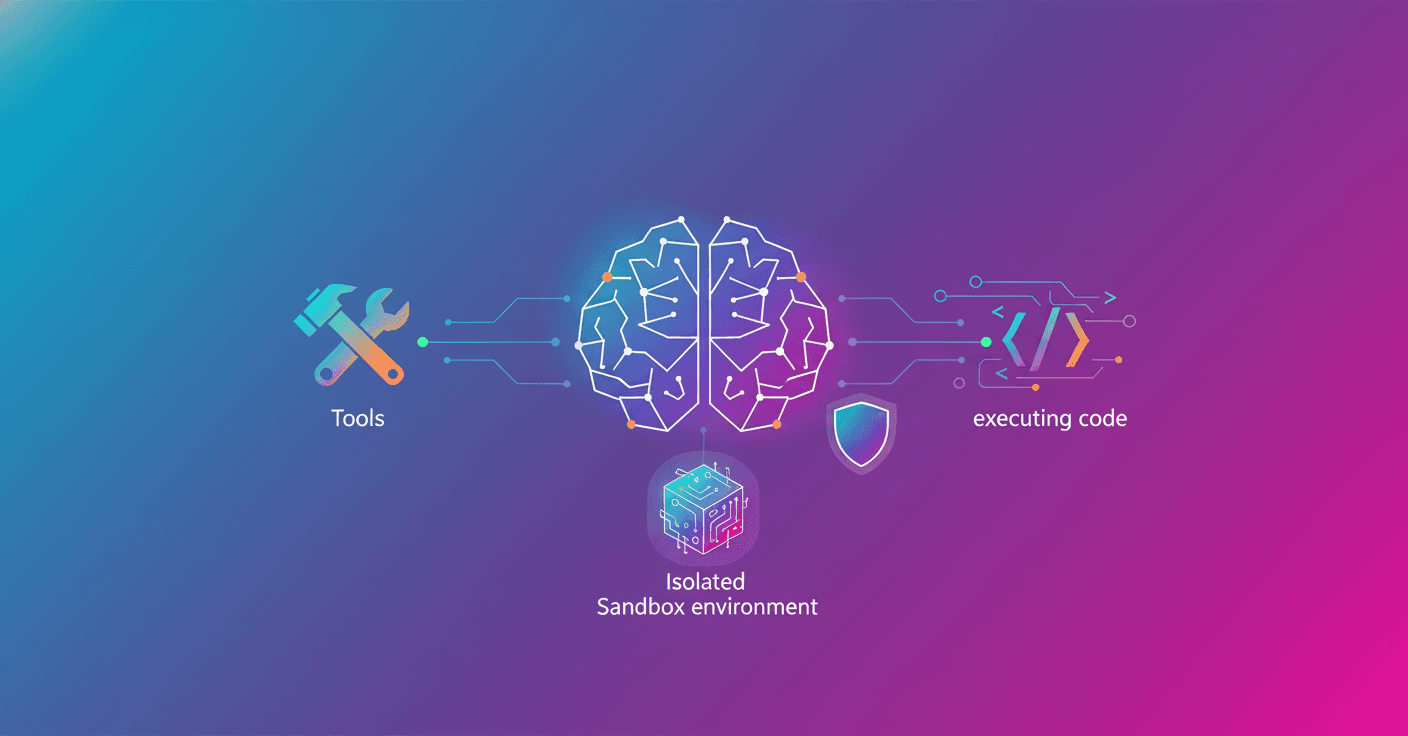
Google is making Managed Agents for the Gemini API available in preview: agents that can reason, use tools, browse the web, and run code in an isolated Linux environment. Everything starts with a single API call.
The offering is powered by Antigravity, a new agent based on Gemini 3.5 Flash. It is available through the Interactions API and in Google AI Studio, where you can try custom templates in the Playground.
What a managed agent can do
Each interaction creates or receives a temporary remote Linux environment. Within that space, the agent can:
- Plan tasks and decide which actions to take.
- Use tools connected to the application.
- Run code and manage files.
- Browse the web to retrieve and process up-to-date data.
- Keep files and state across subsequent calls.
This lets you, for example, create an agent that researches information across several pages, saves the results to files, runs an analysis, and continues the work later without rebuilding the entire session.
The environment is isolated from the rest of the infrastructure. That means each team does not have to design its own process for creating, maintaining, and securing separate servers to run code generated during a task.
Stop building the infrastructure from scratch
Until now, putting an agent into production meant solving several technical problems: orchestrating steps, connecting tools, setting up isolated environments, and controlling how the service scaled as the number of users grew.
Google is trying to take on that work with Managed Agents. The idea is for you to focus on defining what the agent should do and how it should behave, instead of writing the entire system that keeps it running.
You can also customize it with your own instructions and skills. Instead of creating a complex code layer to coordinate every action, you can describe them in Markdown files such as AGENTS.md and SKILL.md, then register them as a managed agent.
What this changes for you
If you develop an application, this could reduce the work needed to build features that require multiple steps and tools. A coding assistant could read a repository, modify files, run tests, and preserve the state for a later review. A research agent could gather recent information and leave the results ready for processing.
That does not mean the API automatically turns any instruction into a finished product. You will still need to define the right permissions, tools, instructions, and limits for each use case. The difference is that Google provides infrastructure ready to run those tasks.
Managed Agents is coming to the Gemini API in preview, with deployment planned for later today, according to Google. The company is also preparing to make it available to businesses through the Gemini Enterprise Agent Platform, currently in private preview.
The next thing to watch is how these agents perform outside demonstrations: how much control they provide over their environments, what it costs to run code, and how they behave when they have to complete long tasks using real data. Google's direction is clear: the next layer of the API will not just generate text, but execute complete processes with tools and working memory.