Google launches Gemini 3.5 Transcribe for dictation
Google introduces `Gemini 3.5 Transcribe`, a speech-to-text model that cleans up dictation, understands corrections and recognizes more than 85 languages. It is available in preview for developers and businesses, with real-time transcription, recording analysis and voice control features.
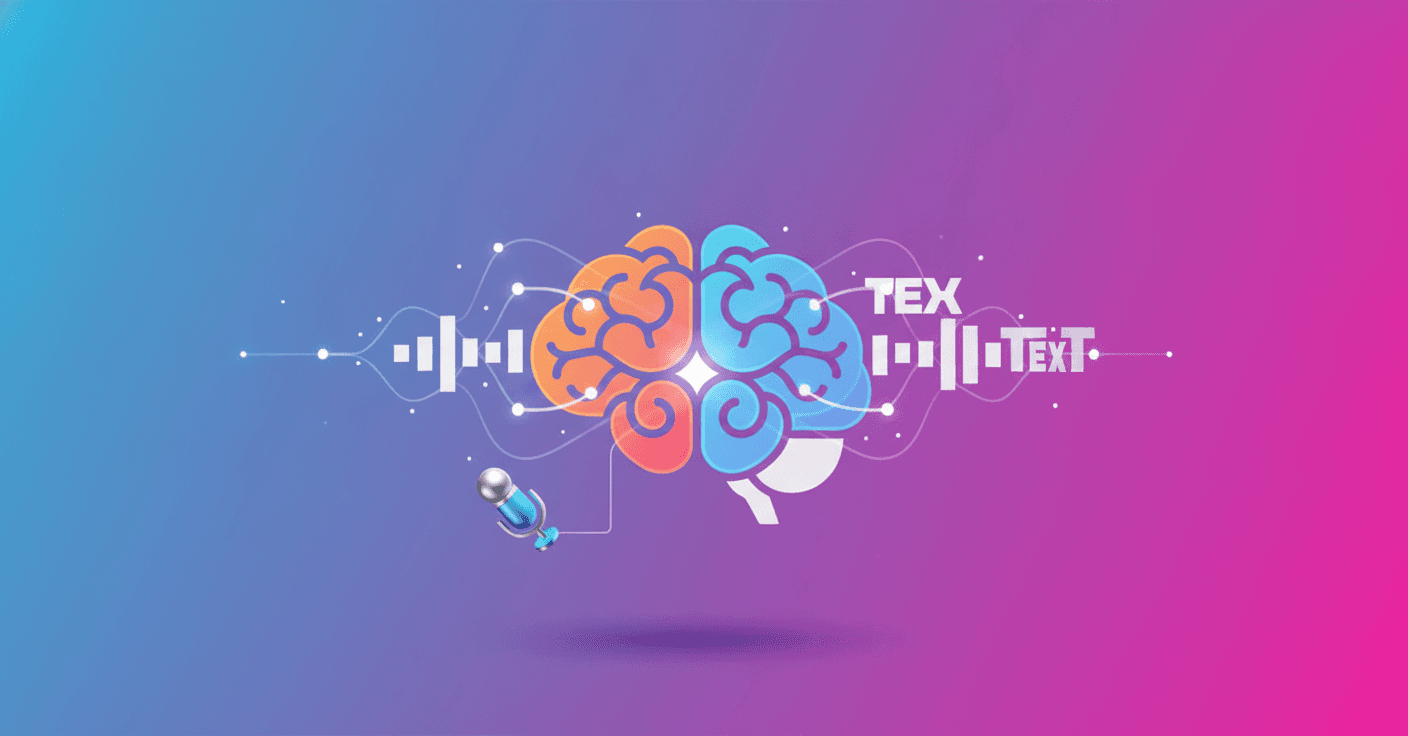
Google introduces Gemini 3.5 Transcribe, a speech-to-text model that turns conversations and dictation into clean, formatted text with context. The company says it understands corrections, removes filler words and recognizes specialized vocabulary instead of simply copying every word from the audio.
The model is already used in Gemini and Android voice features, including Rambler, and is now available in public preview for developers and businesses. The idea is that you can dictate a message, transcribe a meeting or control an app without constantly correcting the result.
It does more than transcribe: it interprets what you say
Traditional speech recognition systems often struggle with noise, technical terms and incomplete sentences. Gemini 3.5 Transcribe tries to address some of these problems by understanding the intent behind a sentence.
For example, if you say a meeting will be on Tuesday and then correct yourself to Wednesday, the model can keep the corrected version. It also removes filler sounds such as “uh” or “um” and applies formatting automatically so the text is ready to use.
Its features include:
- Custom vocabulary recognition, including product names, ZIP codes and order numbers.
- Automatic detection and transcription in more than 85 languages, with support for accents and regional dialects.
- Identification of up to three participants in prerecorded audio, together with word-level timestamps.
- Function calling to delegate complex tasks, such as analyzing files or generating images with other Gemini models.
Two ways to use it
Google offers the model through two APIs, depending on the type of audio you want to process:
- Real-time audio: the Live API uses
gemini-3.5-transcribe-liveto support a two-way conversation with latency below one second. It is designed for voice agents, instant captions and interactive applications. - Prerecorded audio: the Interactions API uses
gemini-3.5-transcribefor meetings, calls and recordings, with speaker attribution and timestamps.
In measurements by Artificial Analysis, Google says the model reaches an average word error rate of 4.0% in streaming and 2.6% without streaming. This metric, known as WER, indicates the proportion of words transcribed incorrectly: the lower it is, the better.
In the multilingual FLEURS test, which evaluates multiple languages and regions, it achieved a WER of 5.50% in streaming and 5.04% in non-streaming scenarios. These are different measurements, so they should not be compared as though they were the same result. Compared with Chirp 3, its previous model, Google also reports a 70% improvement in time to final transcription.
What changes for you
The technology already appears in several Google tools. In Gboard for Android, Rambler turns spoken ideas into formatted text, lets you correct errors by voice and change the writing style. In the Gemini app for macOS, you can dictate instructions and ask it to summarize local files, adapt text between apps or generate an image using only your voice.
Google is also preparing to bring it to Chrome. The feature will let you speak to write in any field on a web page, from a reply to a post or an instruction for Gemini.
In Google AI Studio, Build mode lets you create applications through spoken instructions. With your permission, Antigravity can use the screen context and chat history to better recognize file names, documents and other active elements.
Available for developers and businesses
Gemini 3.5 Transcribe is in public preview in the Gemini API through Google AI Studio and Google Antigravity. For businesses, it is also available on the Gemini Enterprise Agent Platform and will later come to Gemini Enterprise for Customer Experience.
For the general public, the model is available in the Gemini app for macOS in English and in Rambler for Android in certain countries and languages. The Chrome version is coming soon.
The important change is that transcription is no longer a separate task that requires you to clean up the result by hand. The next step will be seeing how well these improvements hold up with accents, noise and highly specific vocabulary outside controlled tests. That will determine whether voice becomes a practical way to work or remains only an occasional alternative to the keyboard.