Google introduces Private AI Compute to protect AI
Google introduces Private AI Compute, a cloud platform that combines Gemini models with an isolated environment for processing personal data. The technology already expands features such as Magic Cue and Recorder on Pixel 10 devices, although its guarantees depend on each implementation.
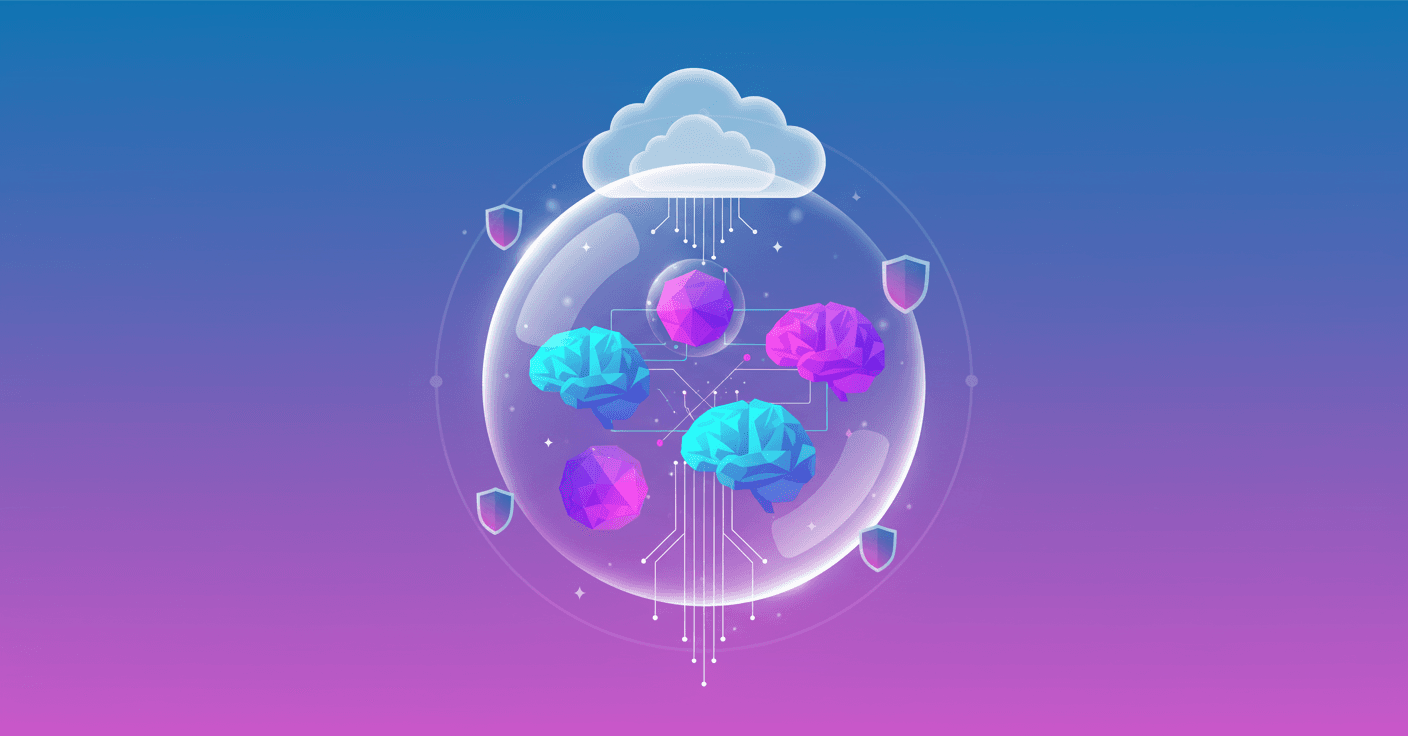
Google has introduced Private AI Compute, a cloud platform designed to let its most powerful AI models process personal data without making that data accessible to Google or third parties, according to the company.
The idea addresses an increasingly clear limitation: phones protect privacy better when they process information on the device itself, but they do not always have enough power to run the most advanced models. Private AI Compute aims to combine both advantages: the capabilities of Gemini in the cloud and privacy protections similar to those of local processing.
What problem does it solve
AI features are moving beyond answering questions to anticipating what you need. For example, they can suggest an action based on the context of your apps, summarize personal information, or help you at the right moment.
These kinds of features require more computing power than many phones have available. Sending data to a server makes it possible to use more advanced models, but it also raises an important question: who can see that information?
Google says Private AI Compute creates an isolated, protected environment for processing sensitive data. The company maintains that the information remains available only to the user, even while Gemini processes it in the cloud.
This does not mean that all of the AI on your phone automatically moves to this system. The platform will be used for specific features that need additional computing power while also handling personal information.
How Google says it protects data
Private AI Compute uses several security layers built into Google’s infrastructure. They include:
- Encryption to protect communication between the device and the processing environment.
- Remote attestation, a mechanism that verifies that the device is connecting to authorized hardware and software.
- An isolated, hardened cloud environment separated from other systems.
Titanium Intelligence Enclaves, a Google technology that protects processing within its infrastructure.- Google’s own processing units, known as
TPUs, to run AI models.
The design also uses what Google describes as a hardware-protected trust boundary. Data is processed inside it, while external systems should not be able to access it. The central promise is clear: use Gemini models in the cloud without Google being able to inspect the processed content.
These are design and security guarantees presented by Google, not a complete elimination of the risks associated with any service connected to the internet. Protection will depend on how each feature is implemented and what data it needs to send.
What changes for you
Google is already using Private AI Compute in some features on its Pixel 10 devices:
Magic Cuecan provide more timely suggestions by using cloud-based models.- The Recorder app can summarize transcripts in a wider range of languages.
In practice, this means certain features could respond faster, understand context better, or handle tasks that are too demanding for the phone, without forcing you to choose between performance and privacy every time.
The platform is still the beginning of a broader strategy. What matters will be which features end up using it, what information they process, and how users can verify those guarantees. The next stage of personal AI will depend not only on making the model more capable, but also on whether you can trust where and how it handles your data.