Google AI Studio adds backends to AI-generated code
Google AI Studio is expanding its AI coding system to create applications with databases, users, APIs and real-time collaboration. The update adds Firebase, Next.js support and an agent that can modify complex projects from simple instructions.
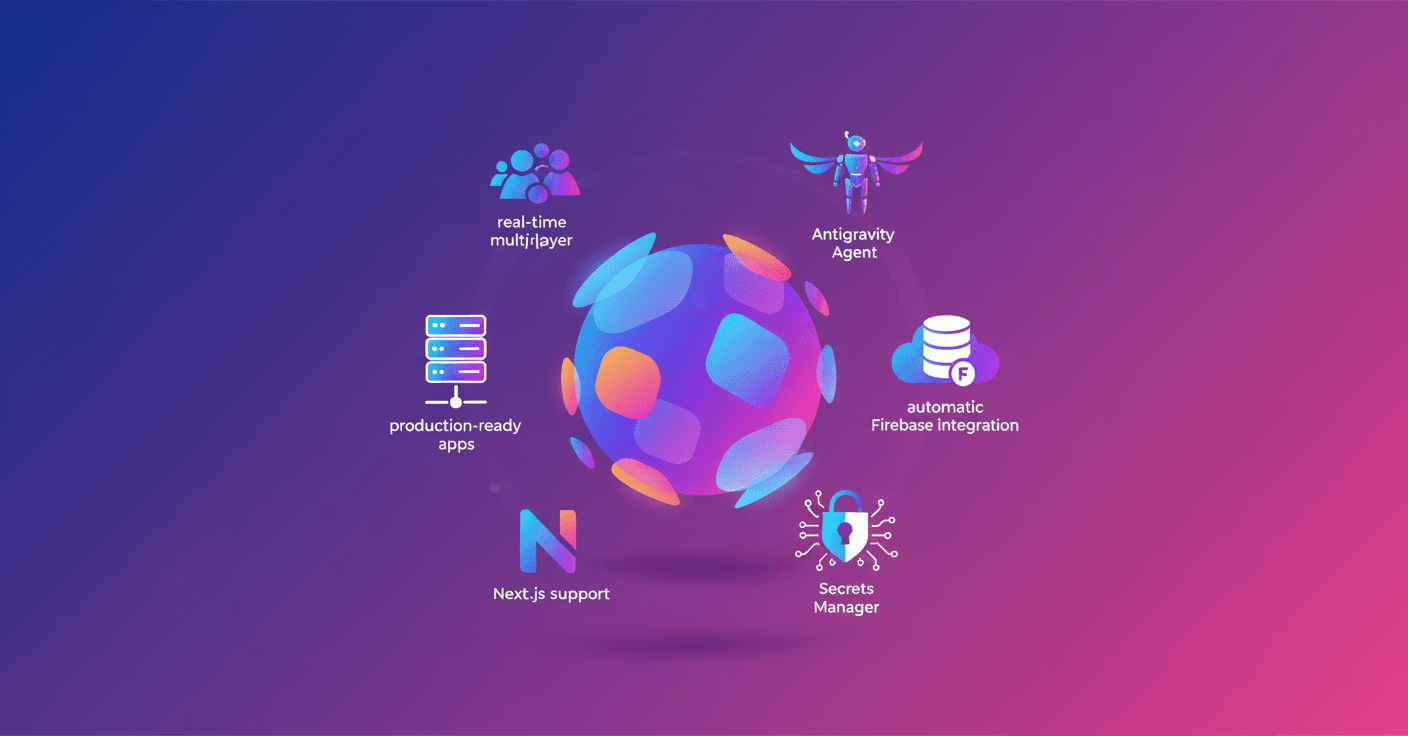
Google AI Studio can now turn a description written in natural language into a more complete web application, with users, databases, external services and real-time collaboration. The update expands its vibe coding approach, a way to create software by describing what you want instead of writing all the code by hand.
The goal is to shorten the path between a prototype and an application that other people can use. You can request a multiplayer game, a collaborative tool or an app connected to real-world data, and the agent handles much of the technical structure.
From a prompt to a functional app
Google AI Studio's new coding agent, called Google Antigravity, has a better understanding of the project's overall structure and the conversation history. That lets it make changes across multiple files and follow more complex instructions without forcing you to explain the context from scratch each time.
It can also detect when an application needs features that previously required leaving the editor, such as:
- Users and secure access: with your approval, it integrates Firebase Authentication to enable sign-in with Google.
- Databases: it configures Cloud Firestore to store application data.
- External services: it connects map, payment, database and other APIs using your own credentials.
- Web libraries: it installs resources such as
Framer Motionfor animations orShadcnfor interface components.
Access keys are stored in a new secret manager inside the settings tab. This means you do not have to paste them directly into the code, where they could be exposed.
Games, collaboration and real-world data
Google showcases the update with several examples. You can generate a multiplayer laser tag game, a collaborative 3D experience where multiple users' cursors leave particles, or a prize machine with physics, timers and leaderboards.
You can also create applications closer to an everyday need. One demonstration connects an app to Google Maps to query live data. Another lets you organize recipes, import content and generate new suggestions with Gemini to share with family or friends.
Support for Next.js applications joins the existing support for React and Angular. The framework, which provides a ready-made structure for building websites and web applications, can be selected from the settings panel.
What changes for you
Until now, tools like this were especially useful for testing ideas quickly. With this update, Google is also trying to cover the pieces an application needs to work in practice: storing data, identifying users, protecting credentials and connecting external services.
That does not mean an app created with a prompt is automatically ready for any scale or level of security. Before publishing it, you will still need to review the code, check permissions and validate how it handles people's data.
The experience also saves progress across sessions and devices. You can close the browser and continue later from the same point without losing the conversation or the project's state.
Google says this new version has already been used internally to create hundreds of thousands of applications over the past few months. The company is also preparing a Workspace integration to connect Drive and Sheets, along with an option to move an app from Google AI Studio to Google Antigravity with a single click.
The key question is whether these features make app creation easier without hiding the difficult problems: security, maintenance and costs. AI can already write much of the code. The next challenge is making sure you can understand and control what it builds.