Claude Code brings AI programming to the web
Anthropic has launched Claude Code on the web as a research preview for Pro and Max users. It lets you connect GitHub repositories, run multiple programming tasks in parallel, and create change requests from the cloud, using isolated environments with controlled access.
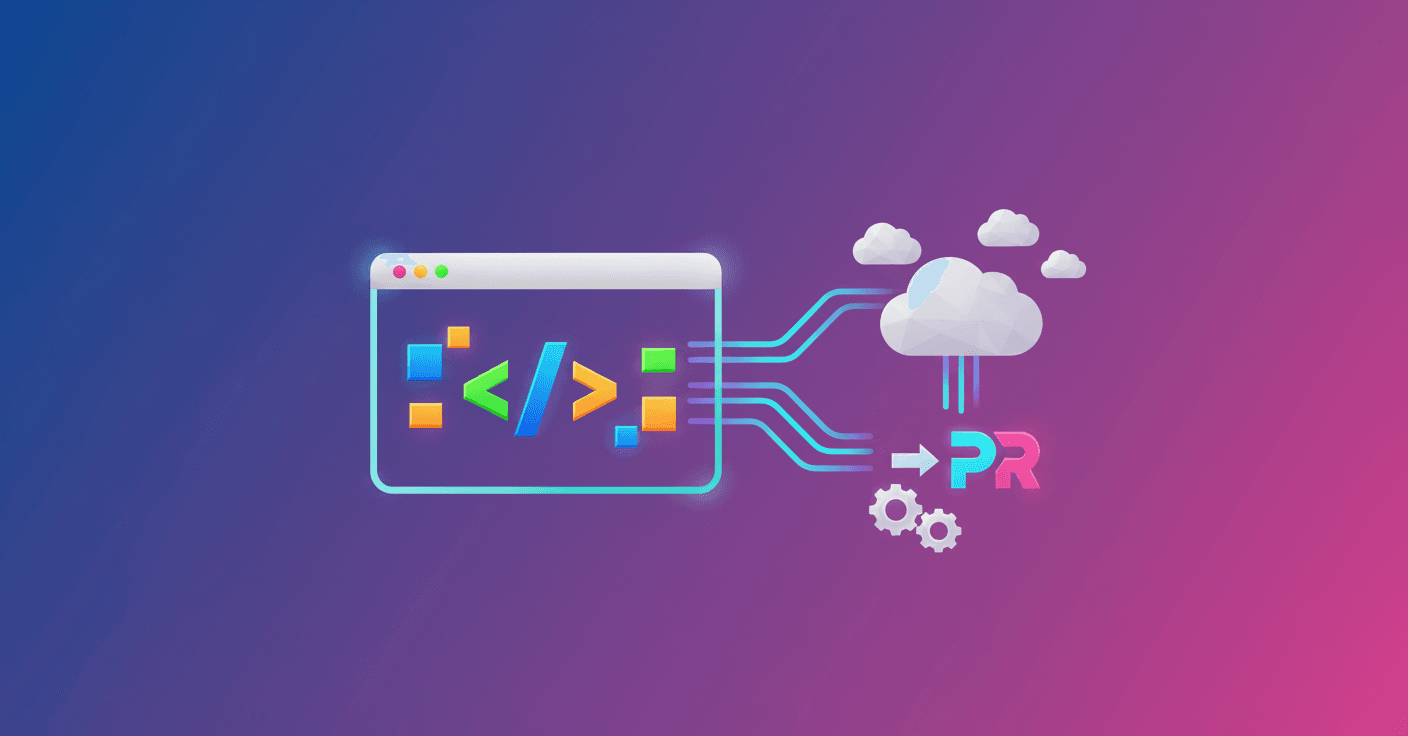
Claude Code can now work on your repositories from a browser, without requiring you to open a terminal. Anthropic has launched the feature as a research beta that lets you assign programming tasks to Claude and run them in the cloud.
The idea is simple: connect your GitHub repositories, describe what you need, and Claude handles the implementation. Each task runs in an isolated environment, shows progress in real time, and lets you change direction while the work is underway.
Multiple tasks at once
The main new feature is the ability to run several sessions in parallel, even across different repositories, from a single interface. Claude can automatically create a change request, known as a pull request, and include a summary of what it modified.
This is especially useful for specific tasks that are easy to review, such as:
- Fixing outstanding bugs.
- Applying routine, well-defined changes.
- Answering questions about a project’s structure.
- Modifying backend services and checking them with automated tests.
For example, you can ask it to update a dependency, fix a bug in an API, and review how a repository is organized. Tasks run separately, so you do not need to wait for one to finish before starting the next.
From mobile too
Claude Code on the web does not replace your usual terminal-based workflow. It complements it. If you prefer to work directly in your local environment, you can keep doing so and leave tasks that do not require constant supervision to the cloud.
Anthropic has also opened Claude Code in its iOS app. It is an early preview, designed to explore programming from mobile and gather feedback before continuing to improve the experience.
What happens to your code
Each task runs in an isolated environment with restrictions on the file system and internet connection. Git operations go through an intermediary service that limits access to authorized repositories and helps protect your code and credentials.
You can also define which domains Claude is allowed to connect to from that environment. For example, you can authorize npm package downloads so it can install dependencies, run tests, and check the changes.
This does not remove the need to review what it produces. Security limits the scope of a problem, but you still need to validate the code and permissions before integrating a change.
Claude Code on the web is available as a research preview for Pro and Max users at claude.com/code. Cloud sessions share usage limits with the rest of Claude Code, so running several tasks at once also uses your available quota.
The important change is the shift in how the work is handled: certain programming tasks no longer depend on an open session on your computer. The next thing to watch is how far Claude can go while working autonomously and how much review each change still needs before it reaches production.