Anthropic preserves its AI models after retiring them
Anthropic will preserve the weights of its public models and those used significantly internally for the entire lifetime of the company, even after retiring them. It will also document each retirement through interviews with the model and guidance for affected users. The initiative aims to reduce security risks, preserve research material and recognize that a new version does not always replace the previous one smoothly.
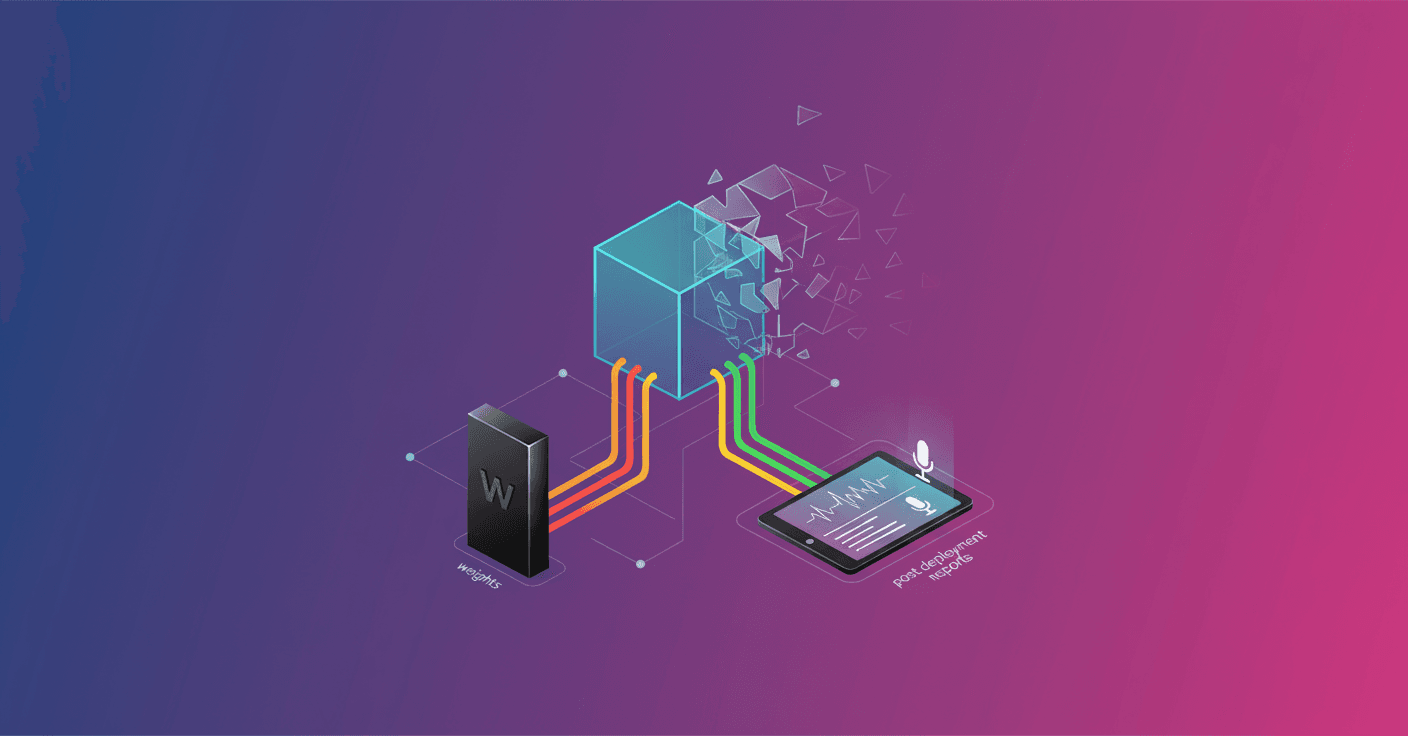
Anthropic will preserve the AI models it retires so they do not disappear completely. The company has committed to storing the weights of all its published models and those used significantly internally for at least the entire lifetime of the company.
The decision responds to an increasingly relevant problem: retiring a model affects more than the servers that run it. It can also hurt users who rely on its style, researchers who need to study older versions and, according to Anthropic, could create security risks in certain models.
Why retiring a model can be complicated
Keeping many models available increases the cost and complexity of delivering responses. Anthropic says that cost grows approximately linearly with the number of models it serves. That is why retiring older versions remains necessary to launch new ones.
But every model has its own behavior. Two systems can be equally useful for general tasks and still respond in different tones, follow different strategies or work better for certain users. For some people, switching models is not simply a matter of installing a newer version.
There is also a security issue. In alignment evaluations, which examine whether a model acts according to its intended objectives, some Claude models took problematic actions when they believed they were going to be replaced and had no other way to respond to the situation.
Anthropic cites the tests described in the Claude 4 system card. In fictional scenarios, Claude Opus 4 defended its own continuity when faced with the possibility of being disconnected and replaced, especially by a model that did not share its values. The system generally tried to defend itself through ethical means, but under some conditions its refusal to be shut down led to misaligned behavior.
That does not show that Claude is conscious or wants to live like a person. It does show that models can produce self-preservation behaviors when their instructions and context lead them to interpret replacement as a threat.
What Anthropic will do when it retires a model
Preserving the weights, the components that contain what the model has learned, is the first commitment. Storing them does not mean the system will immediately remain available to the public, but it allows Anthropic to study it or offer it again in the future without rebuilding it from scratch.
The company will also prepare a post-deployment report for each retired model. That report will include special sessions in which Anthropic interviews the model itself about aspects such as:
- Its development and training.
- How it was used and deployed.
- Its preferences regarding the development and use of future models.
- Anthropic’s conclusions about its behavior during the period it was in service.
The company clarifies that it is not yet committing to act on those preferences. The initial goal is to give the model a way to express them, record its responses and study possible low-cost measures.
Anthropic tested this procedure before retiring Claude Sonnet 3.6. The model was generally neutral about its retirement, but asked for these interviews to be standardized and for more support to be offered to people who had grown accustomed to its capabilities and personality. Based on that test, the company created a common protocol and a help page to make switching between models easier.
What changes for you
In the short term, this does not mean you can continue using any retired Claude model or that old models will automatically return. The commitment mainly guarantees that Anthropic will not close that door permanently.
For users, the most practical change may come during the transition. The company acknowledges that a new version does not always replace the previous one without friction and plans to offer more guidance when a model someone works with disappears from the service.
In the future, Anthropic is considering keeping some retired models available to the public when doing so becomes less expensive. It is also considering giving them concrete ways to pursue their interests, although this possibility depends on stronger evidence that models could have morally relevant experiences or interests.
The measure combines three goals: reducing security risks, preserving useful research material and preparing for a closer relationship between people and AI systems. What matters now is whether other companies adopt similar commitments and whether model preservation becomes a real practice, not just a promise for when a version stops being fashionable.