Anthropic launches Claude for small businesses
Anthropic has launched Claude for Small Business, a package that connects its AI to QuickBooks, PayPal, HubSpot, Canva, DocuSign, and other business tools. It includes 15 workflows for tasks such as payroll, invoices, campaigns, and accounting close, with user approval required before actions are executed. The company is also offering free training and in-person workshops to help small businesses adopt AI with security controls and human oversight.
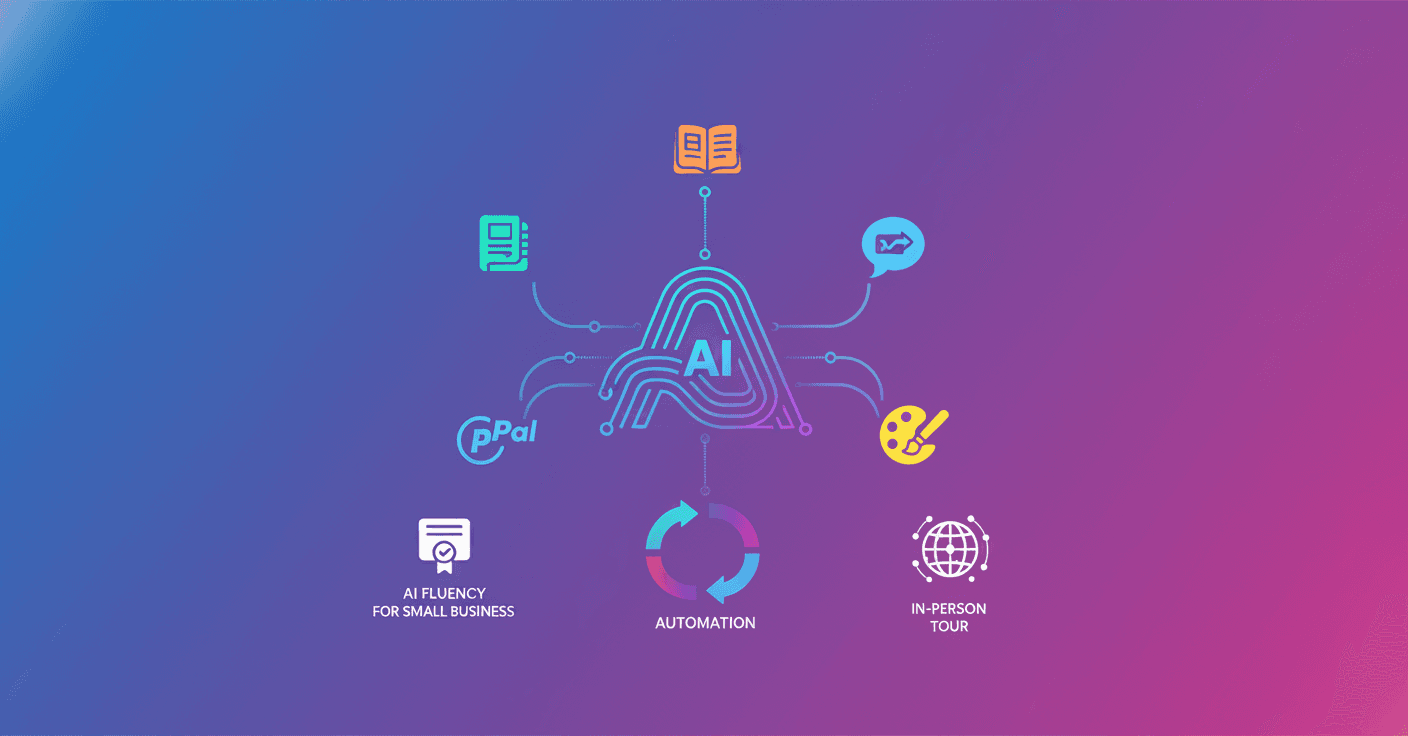
Anthropic has launched Claude for Small Business, a package that connects its AI assistant to the tools small businesses already use. The idea is for Claude to go beyond chat: it can help plan payroll, chase unpaid invoices, review contracts, or prepare a sales campaign, always requiring user approval before sending, publishing, or paying.
The launch targets an important part of the US economy. Small businesses account for 44% of US GDP and employ nearly half of private-sector workers, but they tend to adopt AI more slowly than large companies.
Anthropic attributes that gap to two problems: tools and training are rarely designed for small businesses, and AI use often amounts to opening a chat window and asking questions.
Claude enters the business toolkit
The feature is activated through Claude Cowork, Anthropic’s workspace for coordinating tasks across different applications. The owner then connects the services they use and chooses the work they want to carry out.
For now, the connections include:
Intuit QuickBooksfor payroll, cash flow, reconciliation, and month-end close preparation.PayPalfor settlements, invoices, refunds, and disputes.HubSpotfor qualifying leads, analyzing campaigns, and reviewing customer relationships.Canvafor creating and preparing marketing content.DocuSignfor sending contracts, tracking their status, and archiving signed documents.Google WorkspaceandMicrosoft 365for working with company files, documents, and tasks.
The package includes 15 ready-to-use workflows and 15 additional skills based on repetitive tasks that, according to Anthropic, often take up the most time for small-business owners.
Examples include planning payroll based on available cash and outstanding payments, creating a plain-language profit and loss report, and preparing a package to send to an accountant.
It can also detect a drop in revenue, review campaign performance in HubSpot, and create materials in Canva to prepare a new promotion. Other features include margin analysis, tax-season organization, contract review, lead qualification, and tracking unpaid invoices.
The user remains in control
Claude can propose a plan for a task and wait for approval. When the owner is ready, they can also let the workflow run from start to finish, but actions with external consequences remain under their control.
Anthropic says existing permissions remain in place. If someone cannot access certain information in QuickBooks or Drive today, they will not be able to view it through Claude either.
The company also says that it does not use customer data to train its models by default on Team and Enterprise plans. Security is especially relevant: in an Anthropic survey, half of the owners polled identified data protection as their main obstacle to adopting AI.
In practice, this means Claude can prepare a transfer, contract, or campaign, but the business still decides what gets executed and when. Automation does not remove the responsibility to review the result.
Training and access for small businesses
Anthropic has also launched a free course with PayPal called AI Fluency for Small Business. It is available on demand and teaches people how to identify tasks that are suitable for AI and how to use it safely, responsibly, and ethically.
The course includes small-business owner experiences and examples such as automating accounts payable. The goal is to address a gap that software alone cannot solve: knowing when to trust AI, when to review its results, and what information should not be shared.
Anthropic will also hold free in-person workshops for small-business owners. The tour begins on May 14 in Chicago and includes spring stops in cities such as Dallas, Tulsa, Baton Rouge, Baltimore, San Jose, and Indianapolis. Each session is designed for 100 local leaders and includes practical training; attendees will receive a one-month subscription to Claude Max.
The company also announced collaborations with organizations focused on small businesses, solo entrepreneurs, and access to financing. They include Workday Foundation, LISC, and several community development financial institutions.
For you, the most important change is not that Claude can answer better, but that it can work with the data and processes already embedded in the business. If the integration works as promised, an owner could spend less time copying information between applications and more time reviewing decisions. The questions to watch are how much it costs, which tasks require human oversight, and whether these automations produce reliable results outside the initial demos.