AI is expanding the tasks workers take on
An analysis of more than 800,000 ChatGPT messages shows that workers are using AI to take on tasks associated with other professions. The phenomenon is more common in small companies and points to a reorganization of work before job roles officially change.
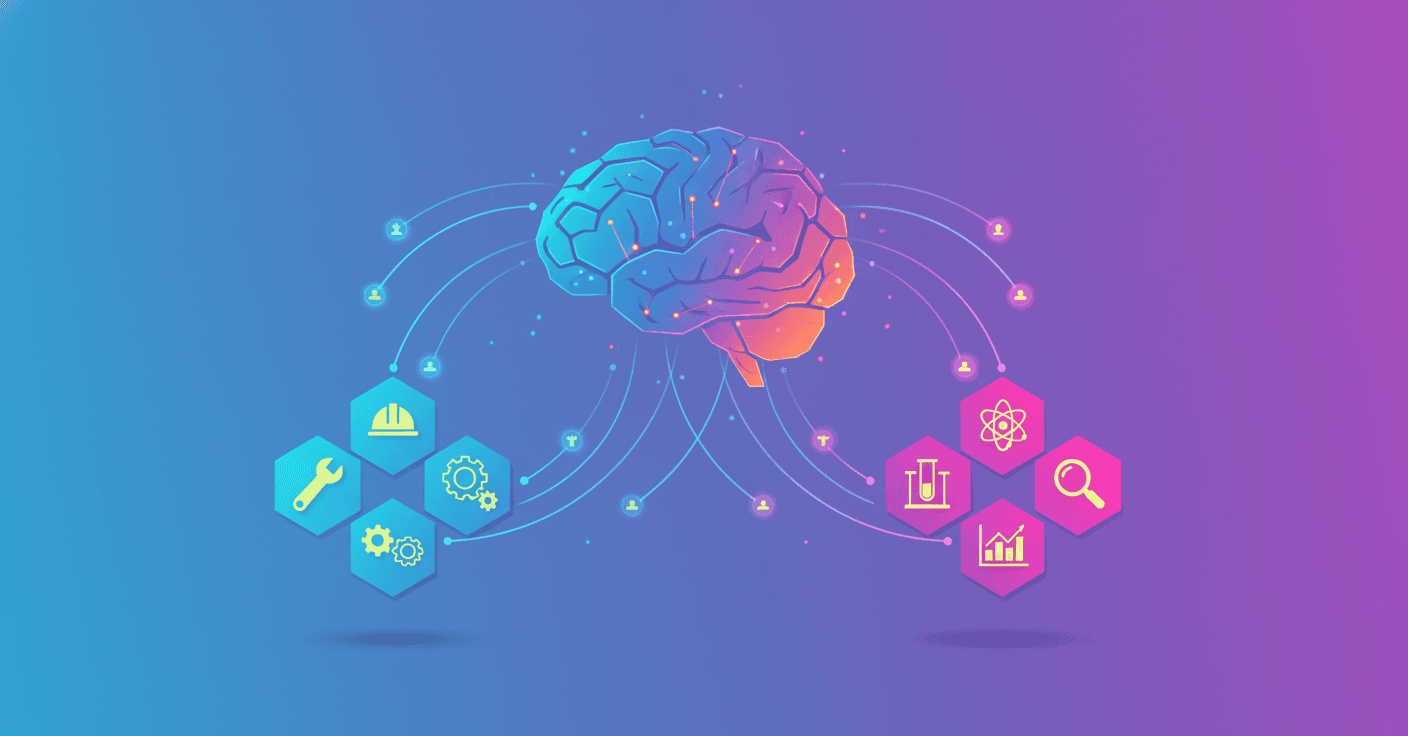
AI is leading many people to take on tasks that once belonged to other roles. A small business owner can draft copy, review a contract, or carry out a basic financial analysis without waiting for a specialist. A salesperson can explore customer data, and a marketing professional can solve website problems.
That shift appears in a new analysis from OpenAI Economic Research, based on more than 800,000 messages from ChatGPT users in the United States. The study is part of the Work at the Frontier series, which examines how AI is changing work before companies change job titles and descriptions.
A task no longer belongs to just one role
The report calls the appearance of activities traditionally associated with one profession in the work of people from another task crossing. It does not refer to general tasks such as writing, summarizing, or scheduling meetings, because those activities appear in almost every job.
When those generic tasks are excluded, 43.5% of occupation-related messages concern activities associated with another profession. When all work-related messages are included, including generic ones, the figure is 16.8%.
The trend is especially visible in several groups:
- 77% of specific messages from customer service workers relate to tasks from other occupations.
- 75% for designers.
- 69% among human resources professionals.
- 56% among legal workers.
- 53% among marketing professionals.
The practical consequence is simple: some tasks that once required handing work to another team can now be handled by the person who spots the problem.
Marketing and engineering spread across the company
Task crossing does not happen in the same way across all professions. Financial calculation and technical problem-solving appear among the three most frequent external activities in all seven groups analyzed. Creating marketing materials also recurs in five groups and has a particularly strong presence among designers.
Design shows how one profession can absorb many external tasks. Approximately 35.2% of designers' messages correspond to activities normally associated with other occupations. By contrast, design tasks account for just 1.7% of messages from workers in other fields.
Engineering follows the opposite pattern. Only 18.5% of its messages concern tasks from other areas, but engineering tasks appear in 7.4% of messages from professionals in other occupations. For example, nontechnical workers can use AI to solve software problems or work with technology systems.
Marketing stands out in both directions: its professionals devote 24.3% of their messages to tasks from other occupations, while marketing tasks appear in 8.9% of messages from other fields, the highest proportion in the analysis.
Company size matters too
An organization's structure influences who ends up doing each task. A large company typically has specialized teams and defined processes. In a small company, the person closest to the problem is more likely to solve it independently.
Among average users, the share of tasks from other occupations drops from 18.9% in workspaces with 2 to 5 users to 16.3% in workspaces with more than 100 users. The study does not find the same relationship among the most intensive users, who may already work with processes consistently supported by AI or use the tool mainly within their area of expertise.
For you, this means AI may not only speed up the tasks in your role. It can also expand the scope of what you are expected to do: analyze data without being an analyst, resolve a technical issue without being a developer, or carry out an initial legal review without working as a lawyer.
The report does not show that all these changes have already become official new responsibilities. It does offer an early signal of where work is heading: first, the tasks people perform with AI change, and later, jobs, teams, and the skills companies seek may change too.